Jun 5, 2026 / Dolphin Blue Team / 7 min read
Sustainable travel tries to do no harm. Regenerative travel asks a harder question: is this place — its reef, its forest, the people who were here long before tourism — actually better off because you came? In Bocas del Toro, where all three sit within sight of each other, the difference isn't academic.
What it looks like from our dock
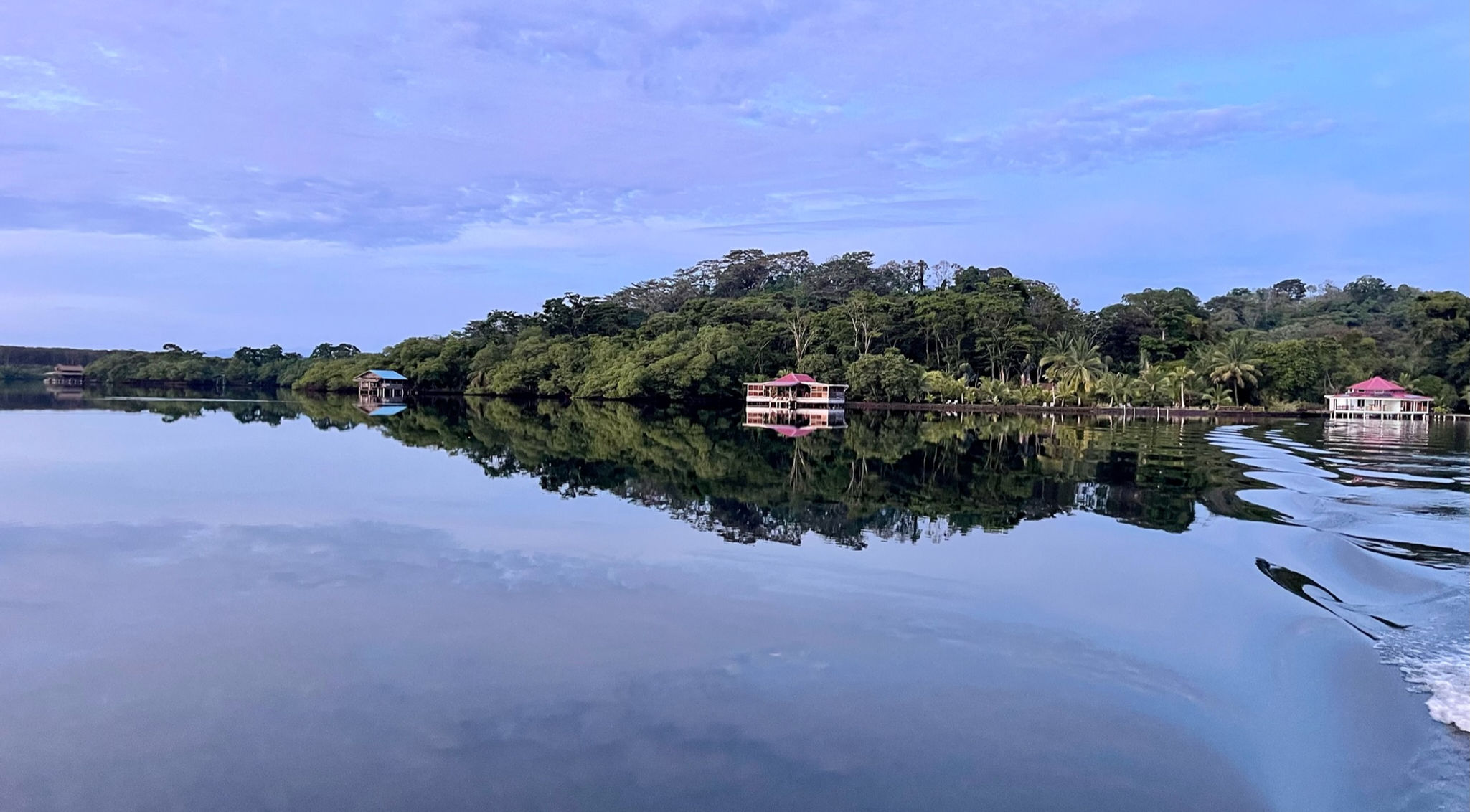
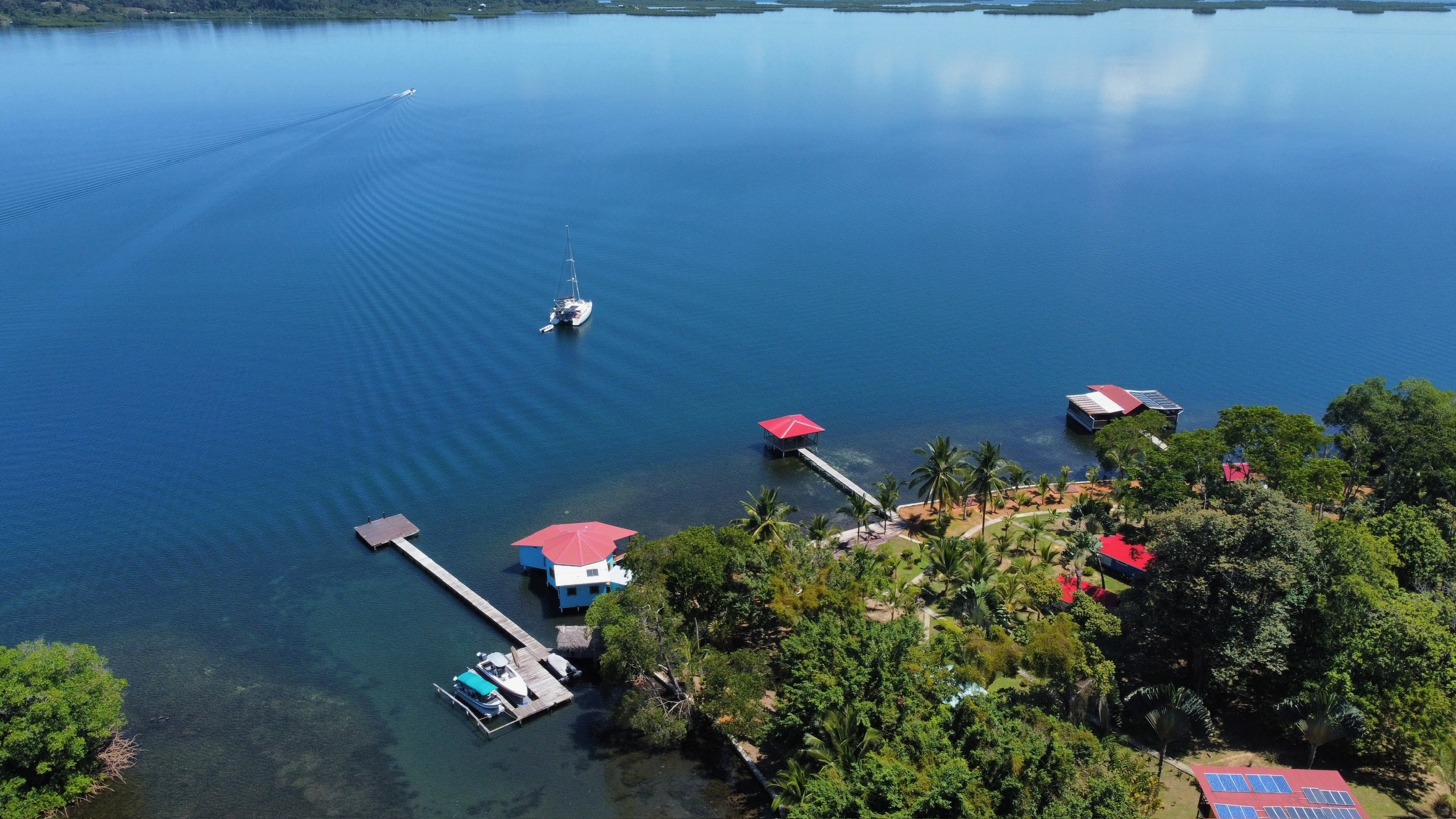
From where we sit on Dolphin Bay, 'regenerative' is not a grand gesture. It's a pile of small, repetitive, slightly boring decisions that compound:
- Solar and batteries instead of a diesel generator, so the bay's soundtrack stays dolphins and rain.
- Rainwater capture and on-site waste handling, so nothing quietly leaks into the mangroves.
- A kitchen that buys fish off the neighbours' boats and produce from island gardens before anything gets shipped in.
- Careers for people from the surrounding islands — boat captains, naturalists, cooks — not imported seasonal staff.
- Cacao and craft partnerships with Ngäbe-Buglé families, priced like partnerships rather than photo ops.
None of that line-items well in a brochure. All of it shows up in how the place feels after three days.
The reef, the forest, the record-keeping
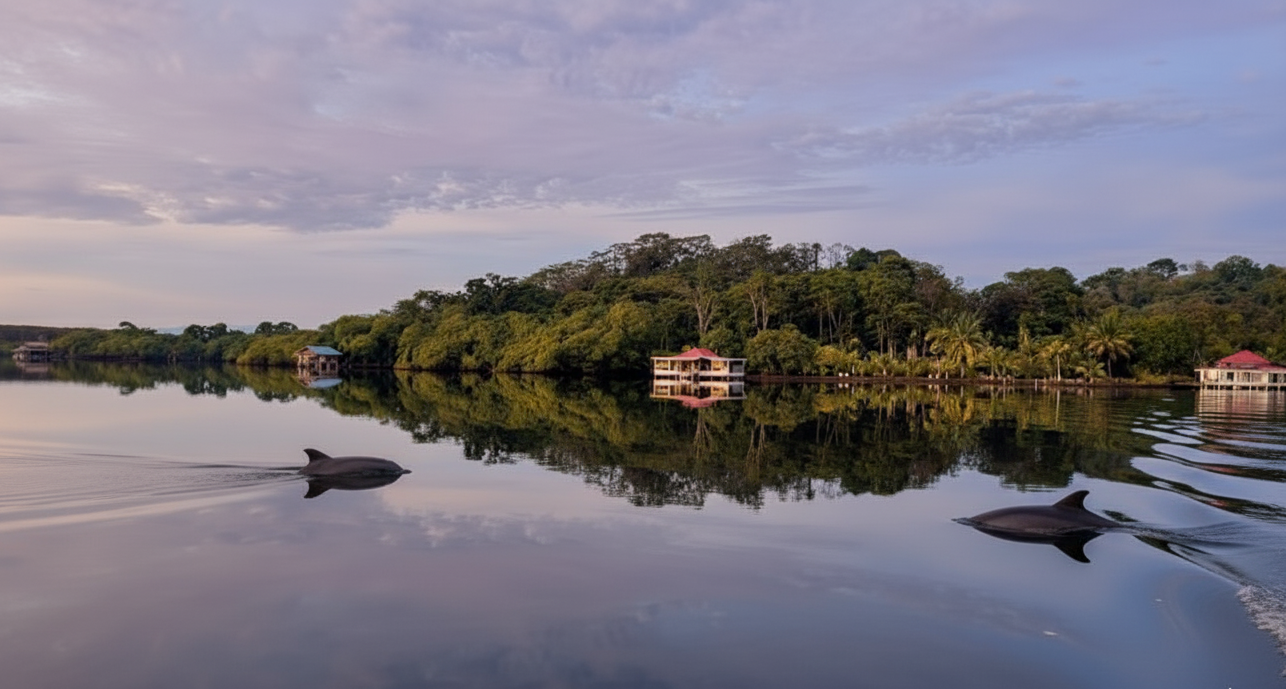
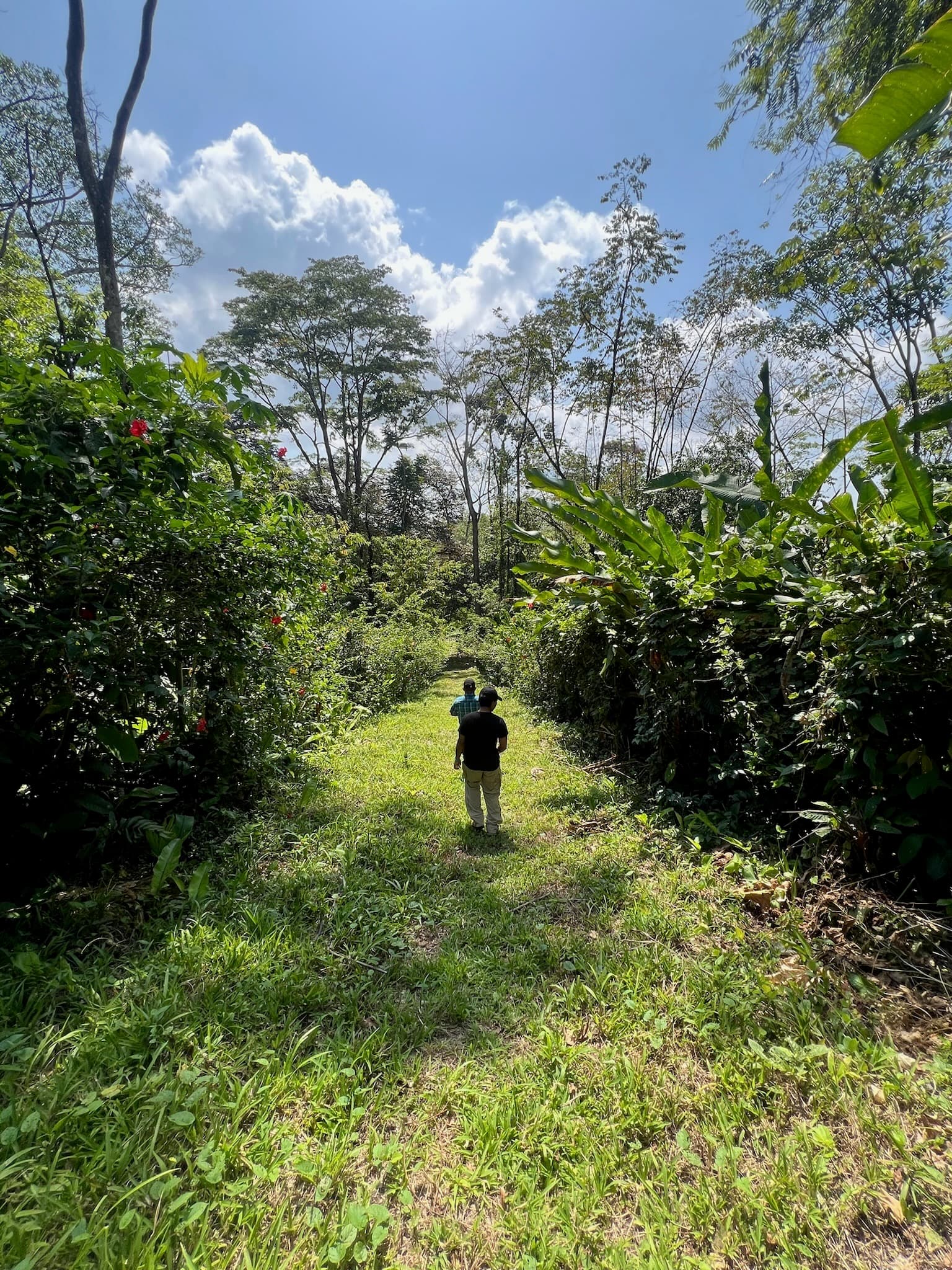
The flashier half of regeneration is fieldwork. Guests and volunteers help photograph dorsal fins for the Dolphin Bay monitoring catalogue — the long-term record that proves the resident pod is healthy and stays that way. On land it's native planting, trail-building instead of clearing, and the patient school-visit work that turns local kids into the bay's next defenders. The details live on our sustainability page; the volunteering version of a stay is real and occasionally muddy.
Leave a place better than you found it — or at minimum, leave it genuinely no worse, and pay the people who keep it that way.
How to travel regeneratively in Bocas — wherever you stay
- Stay longer in fewer places. Four nights in one bay does more good (and feels better) than seven one-night hops.
- Ask operators the awkward questions: who owns this, who works here, where does the money land?
- Book community-run tours — a Ngäbe cacao farm visit puts cash directly into the province's oldest economy.
- Keep distance from wildlife and choose guides who do. The dolphins are the canary for the whole bay.
- Eat what's grown and caught here. The imported steak travelled further than you did.
Frequently asked questions
What's the difference between sustainable and regenerative travel?
Sustainable aims for zero net damage — a flat line. Regenerative aims for a positive slope: more reef monitored, more forest planted, more local careers than before you arrived. Same direction, different ambition.
Can guests actually volunteer in Bocas del Toro?
Yes. Our volunteer stays plug guests into the dolphin monitoring project and community work — useful contributions, not performances. Some guests come for a week and return for a season.
Does regenerative travel cost more?
Usually it costs about the same — the money just lands differently: in local wages, local food, and conservation work instead of imported everything. What it does cost is a little planning, which is what pages like this are for.